

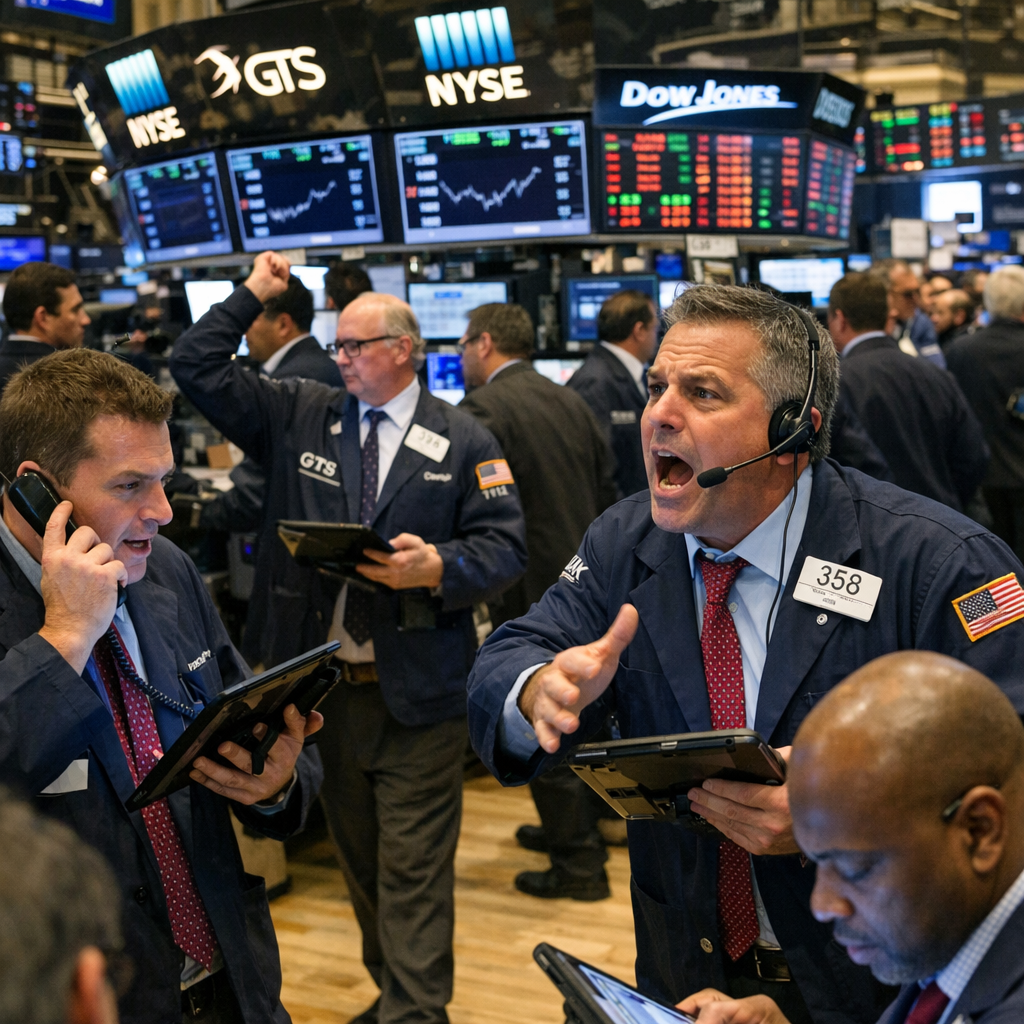
The United States economy is currently experiencing a multifaceted landscape, marked by notable growth in certain sectors alongside rising concerns over national debt and the implications of recent political actions.
Economic Growth and Innovation
Recent data indicates a positive trajectory in economic growth. In the third quarter, real GDP expanded by 4.3%, the fastest rate in two years. This surge is attributed to increased consumer spending and a robust labor market. Additionally, the nation has witnessed a significant uptick in new business formations, averaging about 5.5 million annually since the pandemic, up from 3.5 million pre-COVID. This entrepreneurial boom underscores America’s unique economic system that rewards risk and fuels innovation.
Rising National Debt
Despite these positive indicators, the escalating national debt remains a pressing concern. As of January 14, 2026, the total U.S. debt outstanding reached $38.4 trillion. BlackRock CEO Larry Fink has highlighted that markets may be underestimating the moment when fiscal policy becomes a major problem. He emphasized that rising debt elevates interest costs, threatens confidence, and could trigger rapid shifts in borrowing costs. Fink believes that sustained 3% U.S. growth would help improve the debt-to-GDP ratio.
Political Decisions and Economic Impacts
Recent political decisions have also influenced the economic landscape. President Donald Trump invoked the Defense Production Act to address constraints in weapons supply and development for munitions production and supply chains. This move comes amid growing concern in Washington about the capacity of U.S. weapons manufacturers to meet demand. Additionally, the administration’s implementation of new tariffs has led to increased import taxes on various trading partners, including allies like Canada and Taiwan. These tariffs have contributed to monthly tariff collections hitting a new record of more than $29 billion.
Conclusion
While the U.S. economy demonstrates resilience and growth in several areas, challenges such as the rising national debt and the economic ramifications of political decisions necessitate careful monitoring. Balancing innovation and fiscal responsibility will be crucial in navigating the complexities of the current economic environment.