

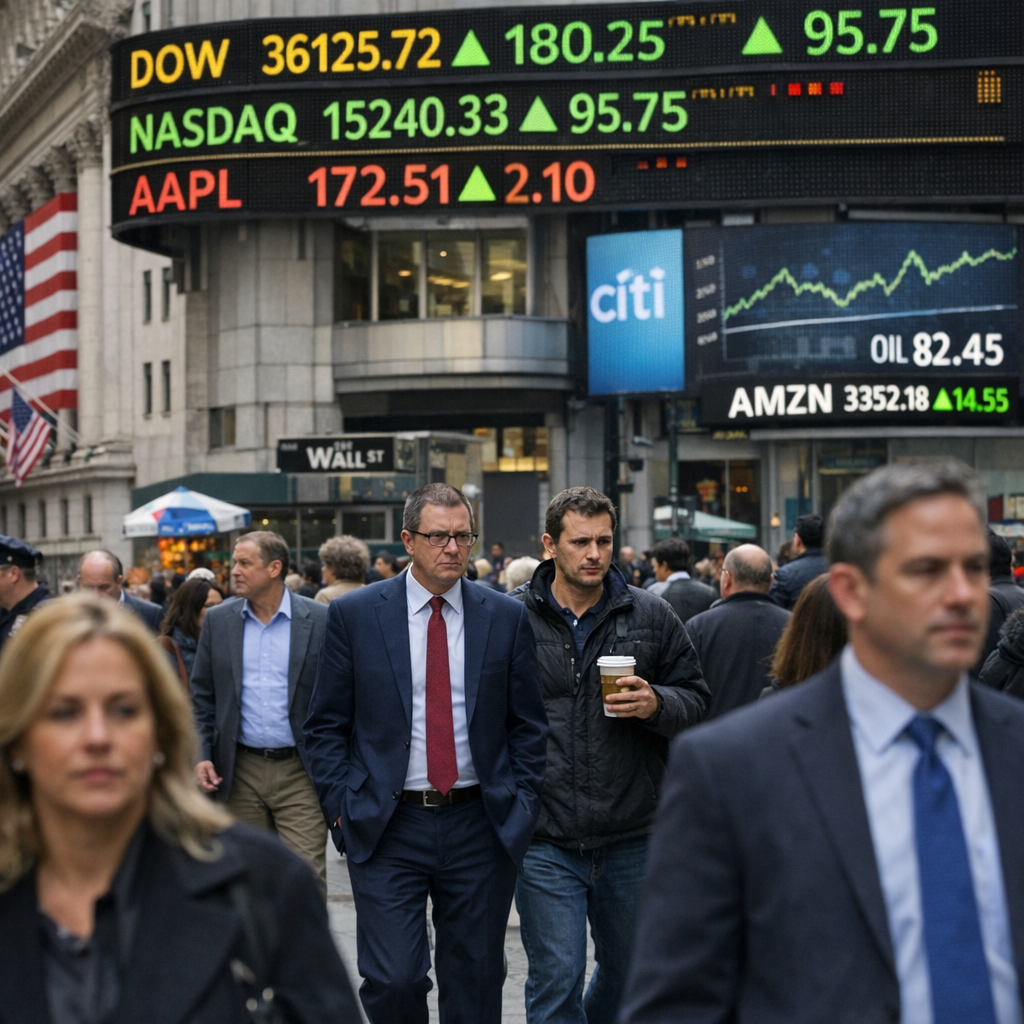
The U.S. economy has recently experienced modest growth, with the second quarter of 2026 showing a 1.5% annualized increase in Gross Domestic Product (GDP). This marks a slowdown from the 2.1% growth observed in the first quarter. Several factors have contributed to this deceleration, including a surge in imports that offset solid consumer spending. Notably, consumer spending—a major component of GDP—accelerated to a 3.2% annualized pace, up from 0.5% in the previous quarter. Business investments, particularly in artificial intelligence, have also played a significant role in sustaining economic activity.
Despite these positive indicators, inflation remains a concern. The Federal Reserve’s preferred inflation gauge, the Personal Consumption Expenditures (PCE) price index, showed a 3.7% year-over-year increase, with core inflation at 3.3%, still above the long-term 2% target. This persistent inflationary pressure has led to debates within the Federal Reserve regarding potential interest rate adjustments. While the Fed has maintained interest rates at 3.6%, internal disagreements suggest some officials advocate for rate hikes to curb inflation.
External factors, such as geopolitical tensions in the Middle East, have also influenced the economic landscape. The ongoing conflict has led to heightened energy prices, impacting consumer costs and contributing to inflationary pressures. Additionally, the administration’s trade policies, including tariffs and border taxes, have introduced uncertainties for businesses, potentially hindering faster economic recovery.
Looking ahead, economic forecasts suggest steady 2% GDP growth into 2027, aligned with long-term productivity and labor force trends. However, risks remain, including potential consumer spending pullbacks due to low savings rates, further inflation from international conflicts affecting energy prices, and possible Federal Reserve interest rate hikes. As the midterm elections approach, economic conditions and policies are likely to play a pivotal role in shaping voter sentiment and political outcomes.