

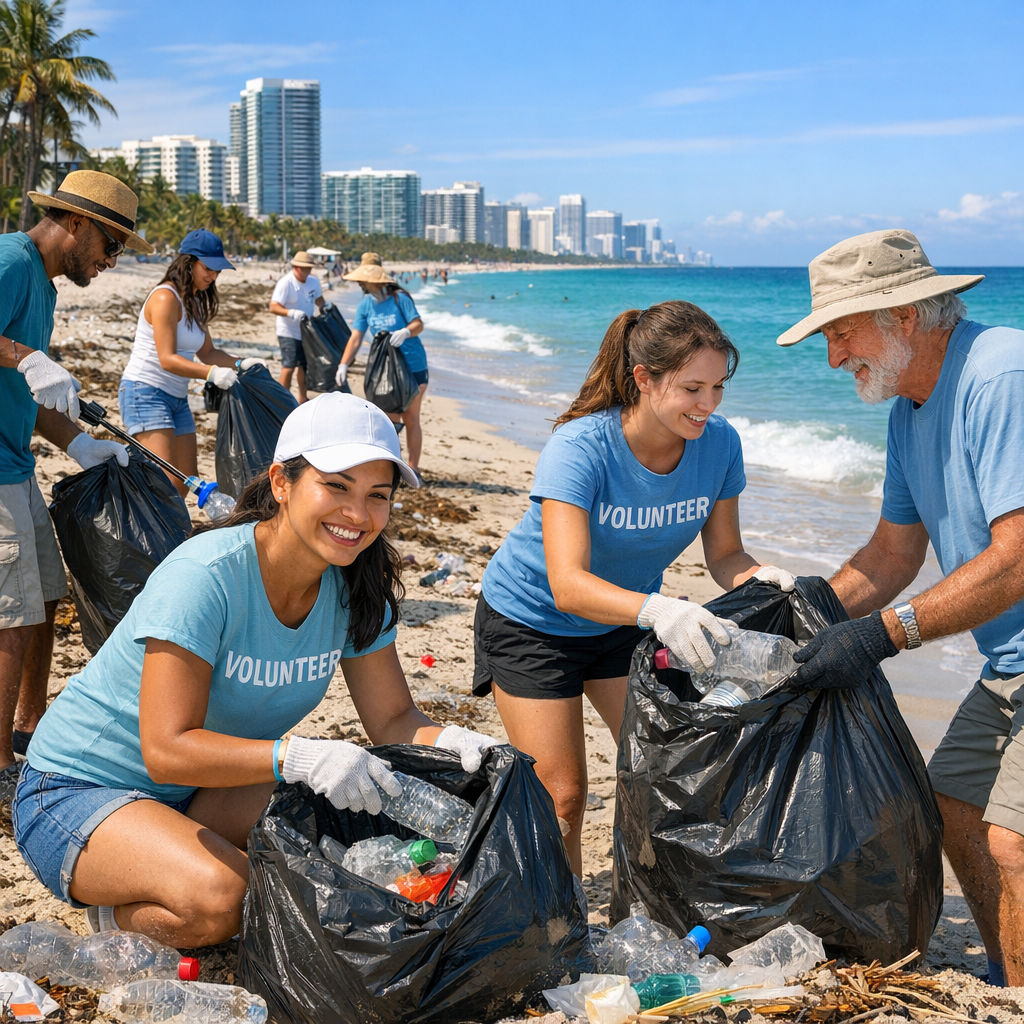
In recent years, Miami has witnessed a surge in community-driven efforts aimed at reducing plastic waste and promoting environmental sustainability. These initiatives, spearheaded by local organizations and supported by city policies, are making significant strides in preserving our natural habitats and fostering a culture of environmental responsibility.
Community Organizations at the Forefront
Several Miami-based organizations are leading the charge against plastic pollution:
- Debris Free Oceans: This organization empowers local communities to adopt zero-waste lifestyles through education, events, consulting, and advocacy. Their mission focuses on reducing single-use plastics and promoting sustainable alternatives.
- Clean Miami Beach: Dedicated to keeping Miami’s beaches and natural habitats free from garbage and harmful pollutants, Clean Miami Beach organizes regular cleanups and educational workshops. Their efforts emphasize the reduction of single-use plastics and the importance of community involvement.
- Plastic Free 305: A county-wide initiative that celebrates businesses and organizations committed to reducing or eliminating single-use plastics. By adopting sustainable practices, these entities contribute to the broader goal of environmental stewardship.
City-Led Initiatives
The City of Miami has also implemented policies to combat plastic waste:
- Plastic-Free City Property: Under the leadership of Mayor Eileen Higgins, the Miami City Commission approved a resolution to eliminate single-use plastics, including Styrofoam, in future city contracts with concessionaires operating on city property. This policy aims to reduce litter and protect Biscayne Bay from plastic pollution.
- Composting Pilot Program: Launched in partnership with Compost for Life, this three-month program provides residents with designated drop-off locations for compostable materials. The initiative seeks to divert food waste from landfills, reduce methane emissions, and produce nutrient-rich compost for city parks.
Collaborative Efforts and Education
Collaboration between non-profits, local businesses, and the city government has been instrumental in these initiatives. Educational programs targeting youth and community members play a crucial role in raising awareness about the impacts of plastic pollution and the benefits of sustainable practices.
For instance, the Plastic Free Cities project engages high school students in workshops about plastic pollution and sustainable business practices. These students then work with local businesses to implement strategies for reducing single-use plastics, fostering a community-wide commitment to environmental sustainability.
Through these concerted efforts, Miami is setting a precedent for urban centers aiming to tackle plastic waste. The combination of grassroots activism, supportive policies, and community education is paving the way for a cleaner, more sustainable future.