

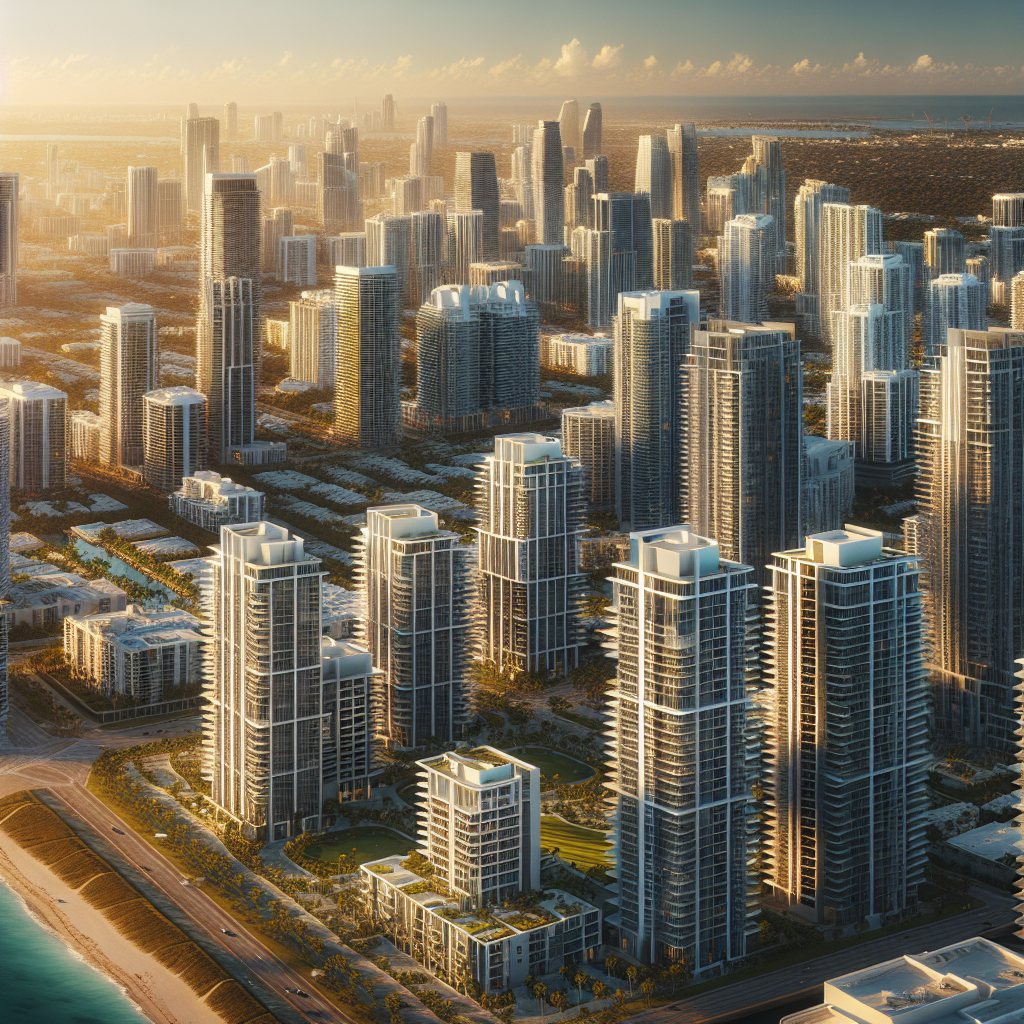
Miami’s real estate market is experiencing notable shifts, influenced by various economic and social factors. Understanding these changes is crucial for prospective buyers, sellers, and investors.
Market Trends
Recent data indicates a cooling in Miami’s housing market. As of March 2026, the average home value in Miami was $579,564, reflecting a 2% decrease over the past year. Homes typically go pending in around 59 days, suggesting a more balanced market compared to previous years. Source
Additionally, a report from December 2025 highlighted that approximately 76% of homes in the Miami metropolitan area lost value over the past year, a rate significantly higher than the national average of 53%. Despite this downturn, most homeowners remain in strong financial positions due to substantial property value appreciation in prior years. Source
Housing Developments
Several new developments are reshaping Miami’s housing landscape. In Wynwood, the neighborhood has transformed from a low-rise arts district into a densely developed, mixed-use area. This evolution has been driven by zoning changes and major development projects, attracting companies like Amazon and Spotify. However, this rapid development has also led to the closure of long-standing local establishments, reflecting the complex dynamics of urban growth. Source
In West Little River, construction has commenced on HueHub, currently the county’s largest initiative under Florida’s Live Local Act. This project aims to address affordable housing and community infrastructure needs, highlighting the city’s commitment to providing diverse housing options. Source
Factors Influencing the Market
Several factors are contributing to the current state of Miami’s real estate market:
- Migration Trends: The pandemic-era migration boom has declined due to rising living costs, leading to an outflow of working-age individuals. Miami-Dade County experienced a population loss of about 10,000 residents between July 2024 and July 2025. Source
- Affordability Challenges: Increasing housing expenses, stagnant wages, and inflation have made living in Miami less sustainable for many middle-class residents, impacting both the rental and home-buying markets.
- Development Initiatives: Projects like the Ludlam Trail Residences and Wynwood Works are part of efforts to provide affordable housing solutions, reflecting a proactive approach to addressing housing needs. Source Source
As Miami’s real estate landscape continues to evolve, staying informed about market trends and developments is essential for making informed decisions in this dynamic environment.